
Dealing with Diva Plants

If you love house plants, you likely understand that they tend to show a personality. In some cases, they exhibit a strong personality. Not every plant is going to be as easy-going as a pothos vine or as forgettable as a snake plant.
Ironically, it’s often the prettiest plants that are the most high maintenance, and by high maintenance, I mean moisture sensitive. This group of plants is fast growing, but missing a watering day can result in crispy foliage and sometimes permanent wilting (a.k.a. death). Sadly, since these divas are almost always eye-catching, new growers tend to gravitate towards their selection, setting themselves up for a challenging future of plant care.
The good news is that if you identify which plants are dramatic, you can act accordingly. Just like in any relationship, some growers even prefer the dramatic, high maintenance plants because they tell their care giver exactly when they are unhappy. My grandpa used to say, “It takes all kinds.” That adage applies to the house plant world as well. Wouldn’t we get bored if all plants behaved like pothos and snake plants?
Introducing the divas—plants that don’t keep their needs to themselves, putting up a stink when neglected. This list is in no way extensive, but I find these are the most common plants that can give their caretakers a problem if left to their own devices for longer than three days. In other words, you better have a plan for them if you want to go on vacation.
High Maintenance Plants
Acanthus Family Members (Polka Dot Plant, Zebra Plant, Nerve Plant, Persian Shield)


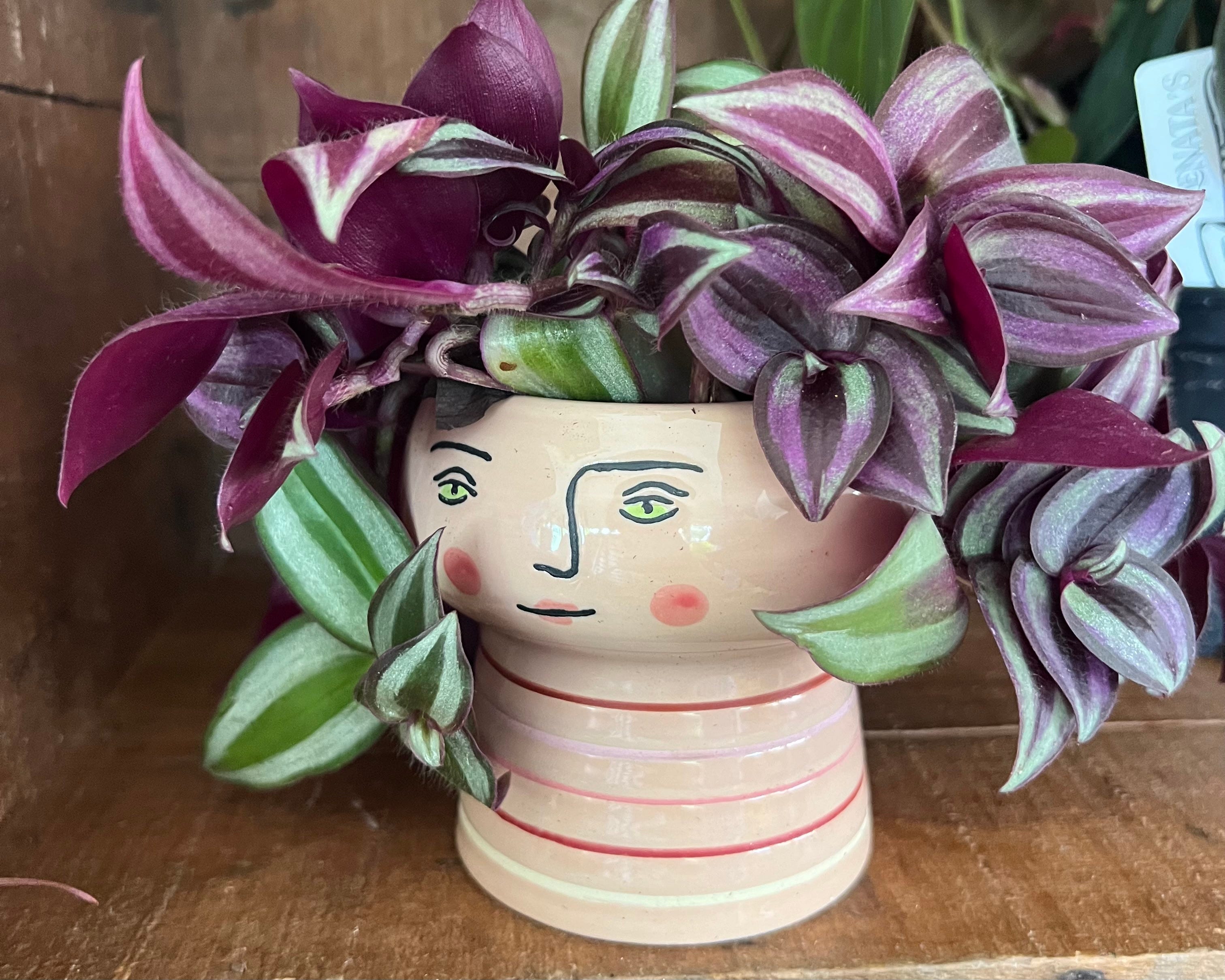
Soft-Foliaged Spiderworts (Tradescantia spp.)


Ripple Peperomia, Watermelon Peperomia & any other juicy relatives


Ferns with Compound Fronds


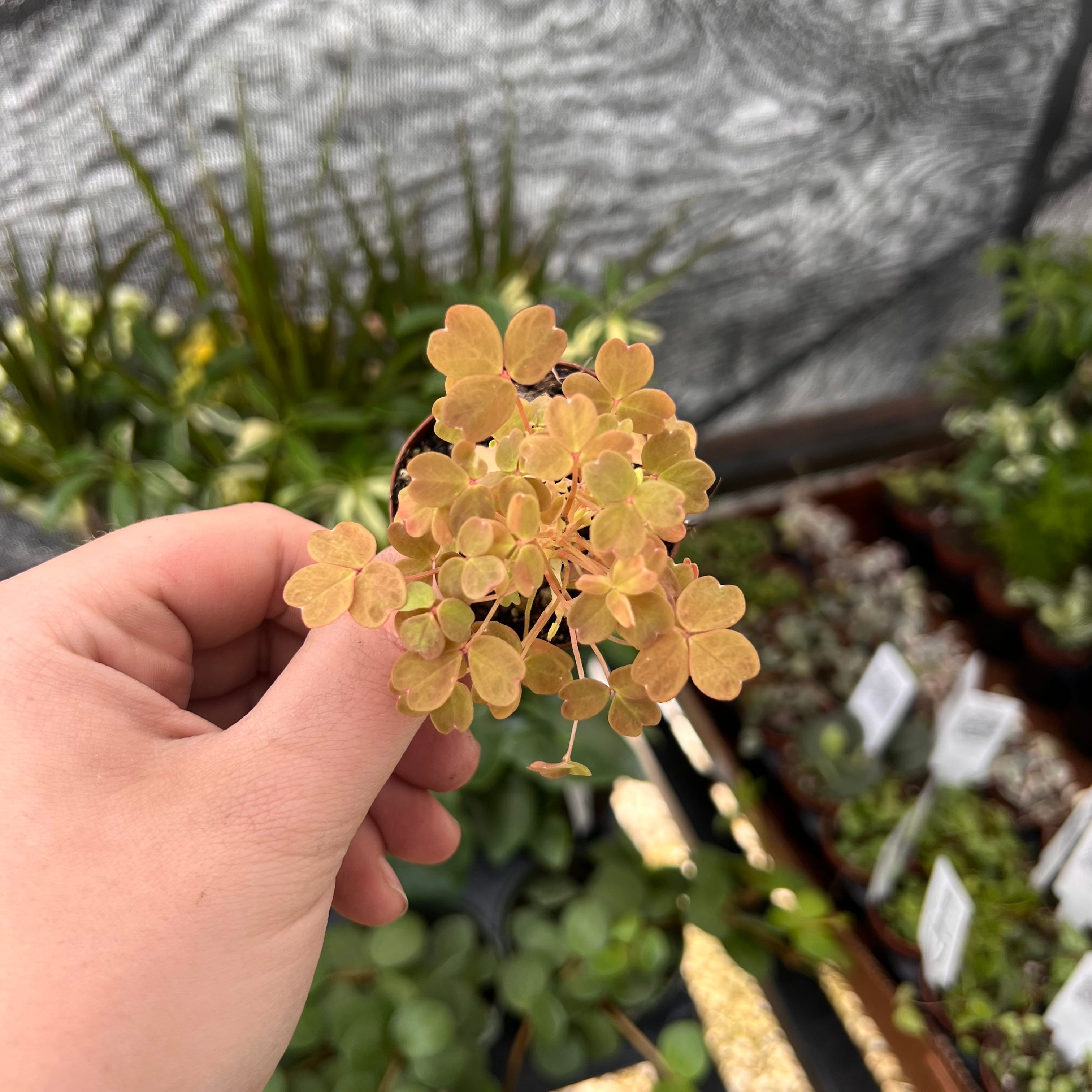
Shamrock Plant (Oxalis spp.)
Maintaining High Maintenance Plants
Step 1: Identify your prospective plant as high maintenance or otherwise.
I only included plants on my diva list if they are the kind of plant to take you off guard. For example, some may consider begonias or African violets to be high maintenance, but I did not include them on this list because they usually give you a longer heads up that they are experiencing drought stress before their demise. Begonias can stay wilted for days or even a week or more depending on their size before finally dropping their leaves and dying. Whereas, nerve plants may be wilted for a mere one to two days and not make a rebound. Know your plant’s limits and do a little research ahead of purchase.
Step 2: Before purchase, plan your plant’s location in your home.
I usually refer to this group of plants as “kitchen sink plants.” If you place them in an area that is daily visible to you, you can’t ignore them. These are not office plants to keep at work unless you are a workaholic like me.
Step 3: Observe and get your plant onto a watering routine.
Get to know your plant’s quirks. Part of what makes diva plants tricky is that they use water more quickly than other house plants. Your frequency of watering will be determined by your plant, your environment and usually your pot size. Brighter light, warmer temps or dry air—your plant will go through water faster. Lower light, cooler temps or humid air—your plant will go through water much slower.
The only way to determine your plant’s watering needs is by watching to see when it wilts. The beauty of diva plants is that they make no secret of when they need moisture. As soon as you see your plant “flagging” or drooping, you can add moisture. Don’t wait too long too water after noticing wilt, or your plant will lose leaves or pass the permanent wilting point.
Step 4: Plan for a plant-sitter.
If you’re going on an extended trip, you will need to train someone to watch and water your plant. While succulents, snake plants and even pothos vines can survive your one to two week escapade if you water prior to hitting the road, your diva plants will likely be crispy upon your return if not watched by a house/pet/plant sitter.
Step 5: Forgive yourself.
Even after taking extra steps to maintain your maintenance-hungry plants, they may still wilt beyond recovery. Cut yourself some slack. If you received any enjoyment from your drama queen, consider it a success!
Also, you may not give up on your plant, some of the plants on my list have been known to re-flush new growth from the stem after losing all of their foliage. In horticulture, time will always tell. What’s the harm in waiting?